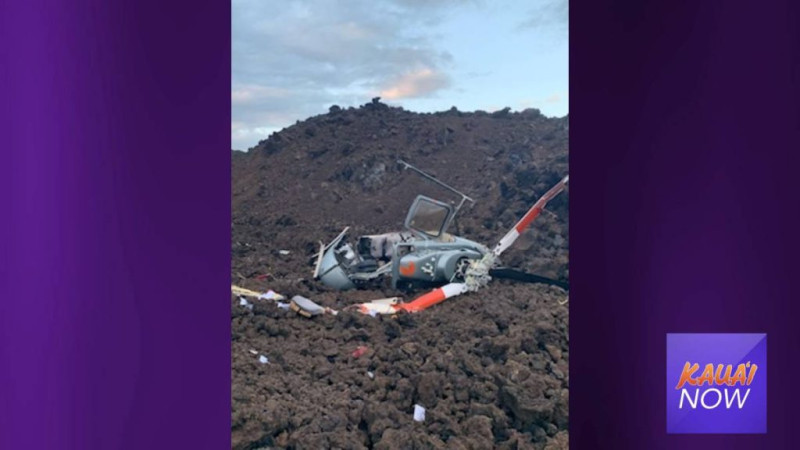
In the tranquil beauty of Kalalau Beach on the Hawaiian island of Kauai, a nightmare unfolded Thursday. A helicopter crash disrupted the usual serenity, leaving three people dead and two others injured. The Airborne Aviation tour helicopter met a tragic end, its wreckage a stark reminder of the unforgiving nature of adventure tourism.
The Devastating Turn of Events on Kauai's Na Pali Coast
The scene at Kalalau Beach unraveled in the late afternoon, as the helicopter carrying one pilot and four passengers crashed into the waters near the shore. The helicopter crash on Kauai’s remote Na Pali Coast was a jarring contrast to the otherwise picturesque landscape. Emergency personnel rushed to the scene, battling against time and distance as they navigated the rugged terrain. The Kauai Fire Department, along with other emergency services, quickly mobilized, aware of the extreme conditions that would test even the best-prepared responders.
The Aftermath and Response
The helicopter crash at Kalalau Beach is the third such incident on Kauai, a stark reminder of the risks inherent in aerial tours. Multiple agencies immediately began responding, with the Kauai Fire Department leading the effort. The preliminary report indicates that the Airborne Aviation helicopter was carrying five individuals when disaster struck. While the exact cause remains under investigation, the crash has underscored the need for rigorous safety protocols in the tourism industry.
County of Kauai officials confirmed that three people onboard the Airborne Aviation tour helicopter did not survive. Two others were treated for severe injuries, their condition under close medical supervision. The helicopter crash on Kauai has sent shockwaves through the local community, leaving many to grieve over the sudden loss of life and reflect on the fragility of adventure tourism.
The Struggle for Safety in Adventure Tourism
The recent tragedy highlights the delicate balance between thrill and safety in adventure tourism. The helicopter crash on Kauai comes at a crucial juncture, as authorities grapple with the implementation of tighter regulations and stricter safety measures. The incident prompts a critical assessment of the aviation industry’s preparedness and the need for more robust safety protocols. As the community mourns, questions arise about the risks passengers are taking and the responsibilities of tour operators.
“The aviation industry has made tremendous strides in safety over the years, but incidents like this one remind us that there is always room for improvement. We must redouble our efforts to ensure that passengers and crew are as safe as possible,” said a spokesperson for the aviation safety board.
While the Kauai helicopter crash reveals the vulnerability of aerial tours, the focus now shifts to learning from this tragedy and implementing measures to prevent such incidents in the future. The beauty of Kauai’s landscapes, while alluring, must be balanced with an unwavering commitment to safety.
The helicopter crash on Kauai serves as a grim reminder of the historical parallels to aviation disasters, where human error and mechanical failures have led to unforgettable tragedies. As the community comes to terms with this loss, the tourism industry faces a crossroads, where the thrill of adventure must be tempered with an unwavering commitment to safety and preparedness. The future of aerial tours on Kauai hangs in the balance.