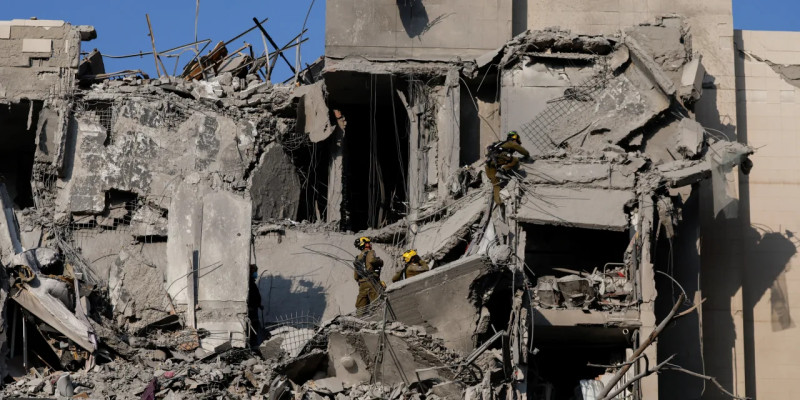
In the third week of the Iran Israel War the world's attention is fixed on the Strait of Hormuz, which has become a critical geopolitical flashpoint. The war has escalated, driving up oil prices and pushing the U.S. and its allies to the brink of a significant intervention.
The Iran Israel War: A Brief Timeline
The current conflict erupted unexpectedly, not as a sudden event but as a series of calculated provocations. President Trump's administration has been vocal in its stance, rejecting any cease-fire with Iran and predicting that the Strait of Hormuz could "open itself". The situation has escalated quickly, with Iran effectively blocking off this critical shipping channel, a move that has sent economic shockwaves worldwide.
President Trump has repeatedly referred to the conflict as an "excursion," a term that understates the gravity of the situation and drawn criticism from media figures. MSNBC's Stephanie Ruhle, for instance, has sharply criticized Trump's description, pointing out the dramatic and ongoing nature of the conflict.
Gone. The diplomatic efforts that once hinted at a possible resolution have vanished, replaced by a tense standoff that threatens global stability. The war has now entered its third week, with Trump demanding assistance from America's allies to reopen the Strait of Hormuz, a move that could significantly alter the course of the conflict.
The Strait of Hormuz: A Critical Choke Point
The Strait of Hormuz is one of the world's most strategically important waterways, through which approximately 20% of global oil supplies pass. Iran's control over this vital shipping lane has given it a powerful leverage in the ongoing conflict, turning the tables against the U.S. and its allies.
The war has forced a reevaluation of the region's geopolitical landscape. The closure of the Strait of Hormuz presents a significant setback for the Trump administration, highlighting the administration's need to adapt its strategies.
The implications of this blockade are vast. Fuel prices have surged, increasing pressure on the White House to intervene and secure the strait. Many allies, including Saudi Arabia and the U.K., have expressed concerns about the conflict's potential to further destabilize the region.
The conflict has thrust the Strait of Hormuz into the crosshairs of yet another geopolitical conflict. The U.S. and Israel's decision to attack Iran has been met with resistance, despite the strategic importance of the waterway.
Geopolitical Implications and What's Next
But why did Trump not plan for this scenario? The answer lies in the complex web of geopolitical interests and the unpredictable nature of the conflict. Iran, a significant producer of cheap aerial drones, has shown it can disrupt maritime activities in the strait, adding another layer of complexity to the ongoing conflict.
What if Iran uses its drones to attack vessels in the strait? The question underscores the urgent need for a strategic response from the U.S. and its allies. The conflict has caused turmoil in the stock market and oil prices to rise, with Iran effectively blocking off the Strait of Hormuz, a critical shipping channel.
Think again. The situation is far from straightforward, as the ongoing conflict continues to reshape the geopolitical landscape of the Middle East.
Who will blink first? The U.S. and its allies, or Iran? The question hangs heavy in the air as the world watches the unfolding drama in the Strait of Hormuz. The deadline for a resolution has been set, but nobody is watching.