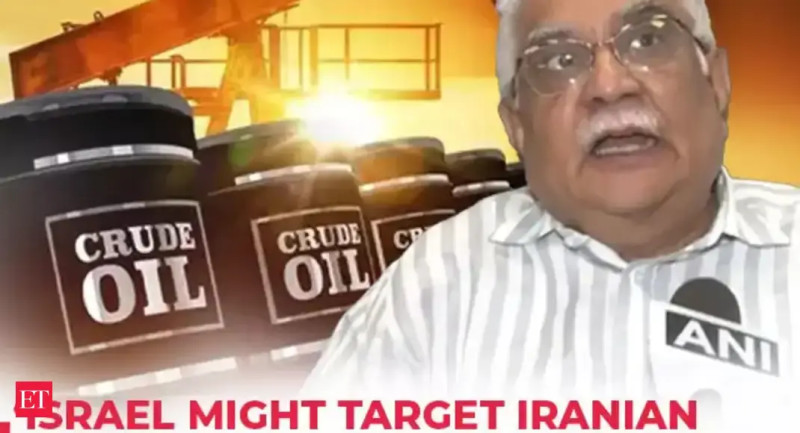
Look, it's 2026 and the geopolitical chessboard in the Middle East is more volatile than ever. The Iran-Israel war isn't just a regional skirmish anymore; it's a global energy crisis in the making. Energy markets are in chaos, with gas and oil prices spiking like a roller coaster on steroids. This isn't just about two nations at odds. It's about how the world fuels its economies and the ripple effects that run through our daily lives. Here's the thing: When Iran and Israel go at it, the whole world feels the sting, especially at the gas pump.
How the Iran-Israel War is Rattling Global Energy Markets
Over the past week, the Iran-Israel war has escalated dramatically. Israel launched a series of strikes on Iran's key gas fields, particularly the South Pars field, which is a critical piece of infrastructure for natural gas exports . Iran retaliated by targeting energy facilities in Gulf countries, including a major LNG export facility in Qatar, sending shockwaves through the global energy markets. The result? Oil and gas prices have skyrocketed, with Brent crude briefly touching $119 a barrel .
This isn't just about a few extra dollars at the pump. We're talking about a potential global energy crisis. The Middle East is the lifeblood of the world's energy supply, and when that lifeline is threatened, everyone feels the pinch. Imagine if your smartphone suddenly started costing $200 more, or if your monthly electricity bill doubled. That's the kind of impact we're looking at.
Sound familiar? Remind you of anything? It should. The last time we saw such a dramatic spike in energy prices was back in the 1970s, during the Arab Oil Embargo. Back then, the world was ill-prepared. But this time, things are different. Or are they?
Fuel prices aren't just a matter of economics; they're a geopolitical lever. When energy prices soar, it affects everything from inflation to national security. And with the Iran-Israel conflict showing no signs of abating, the world braces for a prolonged period of uncertainty.
The Escalating Conflict and Its Impact on Natural Gas Prices
Natural gas, often seen as the cleaner alternative to oil, is also feeling the heat. Iranian and Israeli strikes have targeted some of the Middle East's most important gas infrastructure, causing extensive damage that will likely take months, if not years, to repair . In Europe, natural gas prices have surged by as much as 35%, a stark reminder of how interconnected our energy markets are .
But it's not just Europe feeling the pinch. The Middle East conflict has disrupted natural gas exports from the region, forcing production stoppages and sending global gas prices on a roller coaster ride. And let’s not forget the environmental impact. As the world scrambles for alternative energy sources, the increased reliance on fossil fuels could set back climate goals by years.
Here’s the thing: not all countries are created equal when it comes to energy resilience. Nations heavily reliant on Middle Eastern energy exports are in a particularly precarious position. Qatar, for instance, is a major player in the global LNG market, and its facilities have been targeted by Iranian retaliatory strikes, raising risks to global gas supply .
And then — get this — the US and Israel’s involvement adds another layer of complexity. With the US backing Israel, the conflict has morphed into a broader geopolitical standoff, affecting not just energy prices but also global trade and diplomacy.
“The current situation is a stark reminder of how vulnerable global energy markets are to geopolitical shocks. The Middle East conflict is not just a regional issue; it has far-reaching implications for energy security and economic stability worldwide.” – Expert Commentary
The Economic and Political Fallout of the Escalating Conflict
Let’s talk economics. The war’s impact on energy prices is already being felt in consumer goods. Everything from transportation to manufacturing is being hit hard. For businesses, this means higher operational costs and supply chain disruptions. For consumers, it means deeper pockets at the grocery store and the gas station.
Then there’s the diplomatic angle. The Iran-Israel war isn’t just a military conflict; it’s a diplomatic minefield. With the US and Israel on one side and Iran on the other, the world is watching closely. And then there are the Gulf nations, caught in the middle, trying to navigate a delicate diplomatic balance.
And let’s not forget the humanitarian aspect. War is never just about numbers and statistics. It’s about lives disrupted, families torn apart, and communities uprooted. The human cost of the conflict is as real as the economic and political fallout.
Here’s the thing: as energy prices continue to soar, the world is being forced to confront some harsh realities. We’ve grown too comfortable, too dependent on a system that is inherently fragile.
This is a wake-up call. A reminder that our interconnected world is both a blessing and a curse. As we navigate this crisis, let’s remember that our future depends on how well we can adapt and innovate. And that’s a conversation worth having. Israel, Iran, gas prices, and oil prices. Such a mix of chaos and opportunity. And yes, that’s our world today.