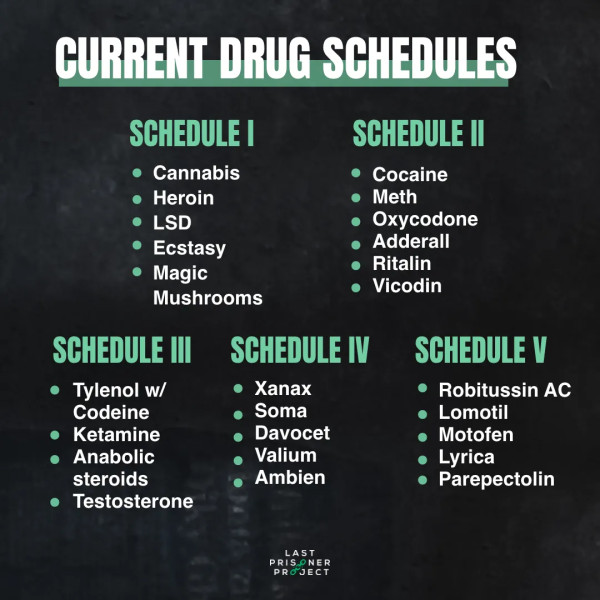
The landscape of drug regulation in the United States is undergoing significant changes, particularly with the reclassification of certain substances. One of the most notable developments involves the reclassification of cannabis, commonly known as weed, and its placement under Schedule 3 drugs. This shift has significant implications for both medical use and the legal framework surrounding controlled substances. Understanding what constitutes a Schedule 3 drug and the process behind such reclassifications is crucial for grasping the broader impact on public health and policy.
Schedule 3 drugs, according to the Controlled Substances Act, are substances that have a moderate potential for abuse and dependence, but also have accepted medical uses. These drugs include a variety of substances such as anabolic steroids, ketamine, and some cough preparations that contain codeine. The reclassification of cannabis to a Schedule 3 drug signifies a shift from its previous status, which was more restrictive and limited its medical applications. This reclassification process was notably driven by an executive order signed by former President Trump, which aimed to streamline the regulatory process and unlock new opportunities for clinical trials and medical prescriptions. This move is part of a broader effort to reclassify certain substances, potentially saving the industry billions of dollars annually by repealing the 280E tax code, which currently penalizes businesses dealing with Schedule I and II drugs.
The reclassification of cannabis to a Schedule 3 drug is a significant milestone in the ongoing debate over drug policy. This change allows for greater medical accessibility and research opportunities. Drugs in this category, including cannabis, are recognized for their medical benefits and are subject to less stringent regulations compared to Schedule I and II drugs, which are deemed to have a higher potential for abuse and no accepted medical use. The reclassification process, however, is not without its challenges. It requires a rigorous DEA final rulemaking process, which involves extensive review and approval from regulatory bodies to ensure that the substance meets the criteria for a Schedule 3 drug. This process ensures that any reclassified substance is thoroughly vetted for its medical benefits and potential for abuse, thereby maintaining public safety and health standards. The reclassification of weed to a Schedule 3 drug is expected to have far-reaching effects, potentially leading to a more open and inclusive approach to drug policy in the United States.