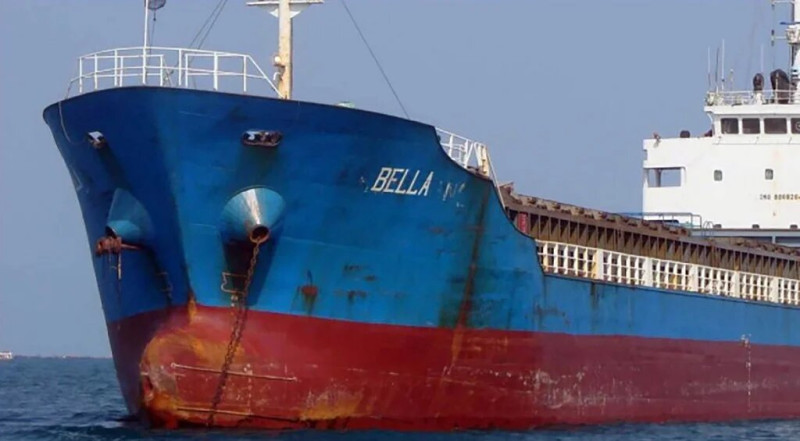
In a significant move to escalate pressure on Venezuela's embattled government, President Donald Trump announced on Wednesday the seizure of an oil tanker off the coast of Venezuela. This action, which has sparked global attention and raised oil prices, comes amidst escalating tensions between the U.S. and the regime of Venezuelan President Nicolás Maduro.
The seized oil tanker was reportedly headed towards Cuba, a destination that would have allowed Venezuela to circumvent international sanctions imposed by the U.S. This seizure is the latest in a series of aggressive actions taken by the Trump administration to disrupt Venezuela's economic lifelines and isolate Maduro's government.
The U.S. forces intercepted and seized the sanctioned oil tanker in a move that has been hailed by some as a strategic victory, while others view it as a dangerous escalation of tensions in the region. The tanker, reportedly one of the largest ever seized, was part of Venezuela's efforts to maintain its economic viability despite the crippling U.S. sanctions.
The seizure marks a significant escalation in the U.S.'s aggressive stance towards Venezuela. The U.S. has long been critical of Maduro's regime, accusing it of human rights abuses and undermining democracy. The recent move is part of a broader strategy to cut off Venezuela's revenue sources, particularly its oil industry, which is the backbone of the country's economy.
The implications of this move are far-reaching. The seizure has already caused a ripple effect in global oil markets, with prices rising in response to the potential disruption in supply. The move is also likely to further strain relations between the U.S. and Venezuela, as well as with other countries in the region that have expressed support for Maduro.
In response to the seizure, Maduro has remained relatively silent, not addressing the incident in his recent speeches. However, the international community has been abuzz with reactions, ranging from condemnation to cautious support. The move has also highlighted the U.S.'s growing assertiveness in its foreign policy, particularly in Latin America. This seizure could set a precedent for future actions, potentially leading to more aggressive measures against countries that defy U.S. sanctions and policies.