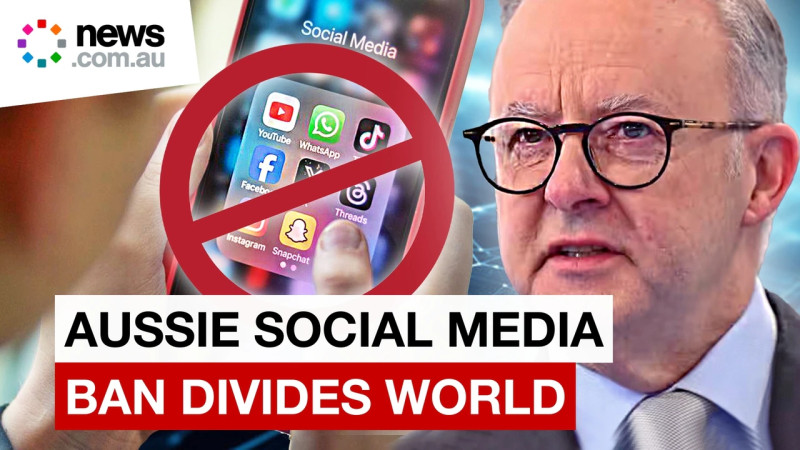
In an unprecedented move, Australia has introduced a world-first ban on social media for children under the age of 16. This groundbreaking policy, set to take effect on December 10, 2025, aims to protect young minds from the detrimental effects of digital platforms, including online addiction, cyberbullying, and exposure to harmful content. This ban, enforced under the Online Safety Amendment (Social Media Minimum Age) Bill 2024, has sparked global attention and debate.
The decision to implement this ban comes after extensive deliberation and public support, particularly from parents who have long voiced concerns about the potential risks associated with social media use among younger populations. The Australian government asserts that this regulation is a necessary step to safeguard the well-being of its youth, who are increasingly at risk of various forms of online harm. The ban includes popular platforms such as TikTok, Instagram, and Facebook, effectively deactivating all accounts for users under 16.
Despite the positive intentions behind the ban, its implementation has not been without controversy. Many teenagers, such as Riley Allen, a 15-year-old from a remote sheep ranch, express concerns about staying connected with friends and feeling isolated from their social networks. The ban has also left big tech companies scrambling, as they grapple with the implications of this new regulatory landscape and the need to comply with age verification protocols.
Critics argue that the ban could have unintended consequences, such as driving younger users to seek out alternative, less regulated platforms or to circumvent the restrictions through illegal means. Some also claim that the ban infringes on the digital rights of young people, who see social media as an essential part of their social interactions and self-expression.
However, supporters of the ban highlight the potential benefits, including reduced exposure to harmful content, decreased online bullying, and a greater focus on offline social interactions. The Australian government hopes that this policy will set a precedent for other countries grappling with similar issues and encourage a global conversation about the role of social media in children's lives.
As the ban takes effect, the world watches with keen interest to see the outcomes and potential challenges that may arise. The Australian government is poised to monitor the impact closely and make necessary adjustments to ensure the safety and well-being of its youth.
This historic ban marks a significant shift in how governments approach the regulation of digital platforms, particularly in protecting vulnerable populations from the potential harms of unregulated social media use. With the future of digital interactions at stake, this policy may very well shape how other nations approach similar challenges in the coming years.