In a surprising turn of events, Donald Trump has once again sparked a fervent debate on international trade, this time zeroing in on the rice industry. At the heart of this unfolding drama is Meryl Kennedy, the CEO of Louisiana-based Kennedy Rice Mill, who has become a pivotal figure in the ongoing trade discussions between the United States and several key rice-producing nations, including India, Thailand, and China. This piece delves into the intricacies of the tariffs proposed by Trump, and how they might alter the landscape of global agricultural trade.
In recent meetings, Trump has been vocal about potential tariffs on imported rice, hinting at a possible escalation in the trade tensions. The primary impetus behind this move, according to Kennedy, is the alleged "dumping" of rice by these countries, which she claims is severely impacting American farmers. "India, Thailand, and even China are among the top culprits," Kennedy pointed out, adding that Chinese rice shipments are particularly problematic, as they are entering Puerto Rico rather than the mainland. This has led to a significant drop in rice prices, which in turn, is hurting local farmers.
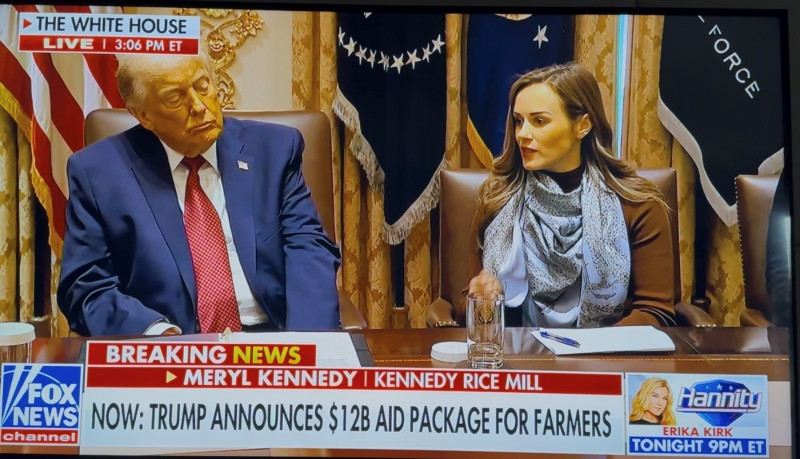
The meeting between Trump and Kennedy, held on December 8, 2025, was particularly revealing. Trump, after announcing a $12 billion aid package for farmers, engaged in a candid discussion with Kennedy. The conversation revealed that the tariffs, which are already in place, are seen as effective, but there is a push to "double down" to safeguard American interests further. Kennedy's firm, 4 Sisters Rice, a subsidiary of Kennedy Rice Mill, has been vocal in advocating for stricter measures to combat what it views as unfair trade practices.
Kennedy’s influence on Trump’s thought process cannot be understated. She was part of a select group of industry representatives who flanked Trump during an economic aid announcement. This is not the first time that Kennedy has made significant contributions to the conversation around tariffs. During the meeting, Trump asked directly which countries were dumping rice. Kennedy promptly responded, "India, and Thailand; even China into Puerto Rico." This specific response underscores the critical role that Kennedy is playing in shaping the administration’s policy on rice imports.
As the discussions continue, it remains to be seen how these potential tariffs will impact global trade dynamics. The move could potentially lead to retaliatory measures from the affected countries, further complicating the already complex trade landscape. However, for Meryl Kennedy and the American rice industry, the fight for fair trade is a battle worth waging. Trump's consideration of new tariffs on Indian rice is seen as a proactive step to combat the alleged dumping and support American farmers.
In conclusion, the ongoing dialogue between Trump and Kennedy is set to redefine the future of agricultural trade policies. As the situation unfolds, all eyes will be on the rice industry, and the broader implications of these trade decisions. One thing is clear: Meryl Kennedy is emerging as a powerful voice in this debate, and her influence on the administration’s trade policies is becoming increasingly evident.