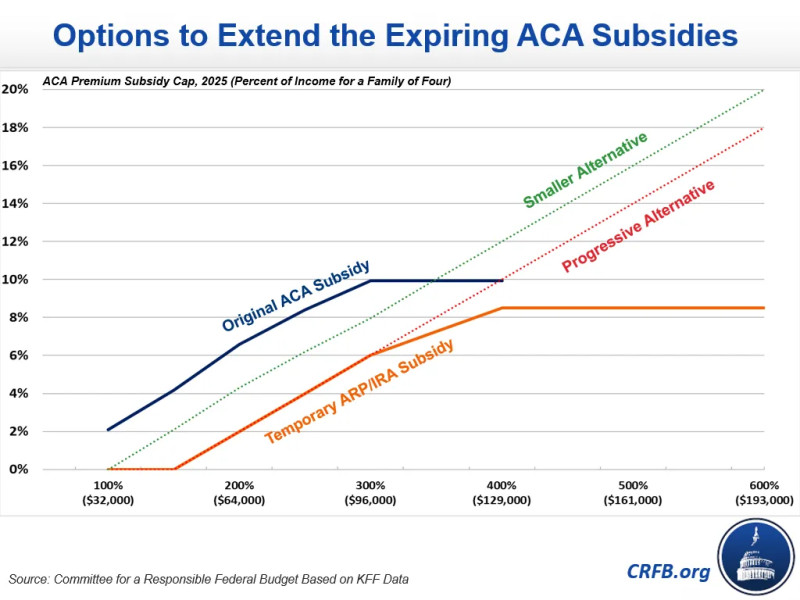
As the expiration date of the Affordable Care Act (ACA) subsidies approaches, policymakers are scrambling to find a solution to prevent a significant increase in health care premiums for millions of Americans. The ACA subsidies have been a cornerstone of the healthcare landscape, providing critical financial assistance to those who need it most. However, with the enhanced subsidies set to expire, the future of this support remains uncertain. This article delves into the latest developments, proposing new plans, and the political hurdles that lie ahead.
The Affordable Care Act (ACA) has been a pivotal piece of legislation in the United States, offering extensive healthcare coverage and financial relief through various subsidies. However, the enhanced subsidies introduced during the COVID-19 pandemic are currently scheduled to expire, which could lead to a substantial increase in healthcare costs for millions of Americans. This potential change has sparked urgent discussions on Capitol Hill, with various proposals emerging to address this critical issue.
One of the most notable proposals comes from a bipartisan group of centrist lawmakers who have unveiled a two-year extension of the ACA subsidies. This proposal is one of the first written frameworks to surface, aiming to provide a temporary fix while more permanent solutions are developed. The bipartisan nature of this proposal is significant, as it indicates a potential avenue for cooperation between Republicans and Democrats, who have historically been divided on healthcare policies.
However, the path to extending the subsidies is far from smooth. With the deadline fast approaching, time is running out for Congress to act. The House, currently led by Republicans, faces long odds in supporting any extension, given the prevailing division on healthcare costs and policy approaches. Zach Nunn, a Republican lawmaker, has joined the bipartisan effort, but the overall support within the party remains uncertain. This division underscores the broader challenges in reaching a consensus on healthcare policy.
Meanwhile, Senate Democrats have proposed a more ambitious plan: a three-year extension of the ACA subsidies. This plan, which aims to provide a more stable transition period, has been met with skepticism by Republicans, who are considering a counterproposal. The vote on this three-year extension is expected to face significant opposition and is likely to fail, given the current political climate. Nonetheless, Democrats hope that the vote will put pressure on Republicans to present a viable alternative to address rising healthcare costs.
The extension of ACA subsidies is not just a political issue but also an economic one. Estimates suggest that extending the enhancements without offsets would increase deficits by roughly $30 billion for a one-year extension and $350 billion over ten years for a permanent extension. This financial burden adds another layer of complexity to the debate, as lawmakers grapple with balancing budgetary constraints and the need for healthcare support.
As Congress races against time to address the expiring ACA subsidies, the stakes are high. The future of healthcare coverage for millions of Americans hangs in the balance, and the outcome of these negotiations will have far-reaching implications. Whether through bipartisan cooperation or partisan opposition, the next few weeks will be critical in shaping the healthcare landscape for years to come.