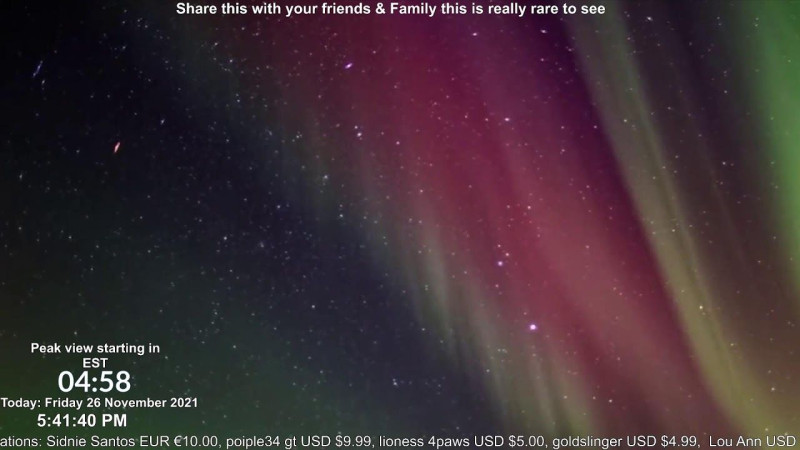
The universe is about to put on a dazzling show. The NOAA Space Weather Prediction Center has issued a Strong (G3) Geomagnetic Storm Watch for December 9, 2025, as a powerful coronal mass ejection (CME) races toward Earth. The CME, resulting from an M8.1 solar flare, is expected to reach Earth early to midday on December 9, potentially causing periods of strong geomagnetic activity. This explosive event not only promises a breathtaking display of the Northern Lights but also poses manageable risks to satellites, power grids, and radio communications.
The potential impact of this geomagnetic storm is substantial, with forecasts indicating that the Kp index could rise to 7. This index, which measures geomagnetic activity, suggests that the Northern Lights, or aurora borealis, could be visible from as far south as the lower Midwest and Oregon. The storm could pose challenges to HF radio communications, causing intermittent loss of signal and degrading navigation signals. Considering these factors, the impending geomagnetic storm is a significant event that combines both natural beauty and potential infrastructure challenges.
In preparation for this celestial spectacle, it's crucial to understand the science behind geomagnetic storms and their impact on Earth. The M8.1 solar flare, which triggered the CME, released a massive burst of energy from the Sun. As the CME travels through space, it carries charged particles that interact with Earth's magnetic field, creating the conditions for a geomagnetic storm. This interaction can cause the Earth’s magnetic field to fluctuate, leading to the stunning aurora lights.
For those eager to witness the Northern Lights, the NOAA has an Aurora Dashboard that provides real-time updates on aurora visibility. This tool is invaluable for tracking the KP index, solar wind data, and geomagnetic storm alerts, ensuring viewers know the best times and places to observe the aurora. The KP index, in particular, is a crucial metric, indicating the intensity of the geomagnetic activity and the potential extent of the aurora's reach.
While the Northern Lights are a breathtaking sight, it’s essential to recognize the potential disruptions to modern infrastructure. The geomagnetic storm could cause temporary disruptions in power grids, satellite communications, and navigation systems. However, these risks are manageable, and experts are closely monitoring the situation to mitigate any adverse effects. .
In conclusion, the upcoming G3 geomagnetic storm presents a rare opportunity to witness the awe-inspiring beauty of the Northern Lights while reminding us of the Sun's powerful influence on our planet. As the storm approaches, staying informed through trusted sources like the NOAA will help ensure both a safe and spectacular viewing experience. The combination of scientific monitoring and public awareness will maximize the enjoyment of this natural phenomenon while preparing for any potential disruptions. For real-time updates and forecasts, keep an eye on the NOAA Space Weather Prediction Center and other reliable sources. The stage is set for a dazzling display of nature's grandeur, and the world watches with anticipation.