In the early hours of December 8, 2025, the National Oceanic and Atmospheric Administration (NOAA) issued a G3 geomagnetic storm watch, signaling an impending solar event set to impact Earth this Tuesday. This alert comes as a result of an M8.1 solar flare that erupted from Region 4299 at 20:39 UTC on December 6, 2025, generating a full-halo coronal mass ejection (CME) that is expected to strike Earth on December 9, 2025.
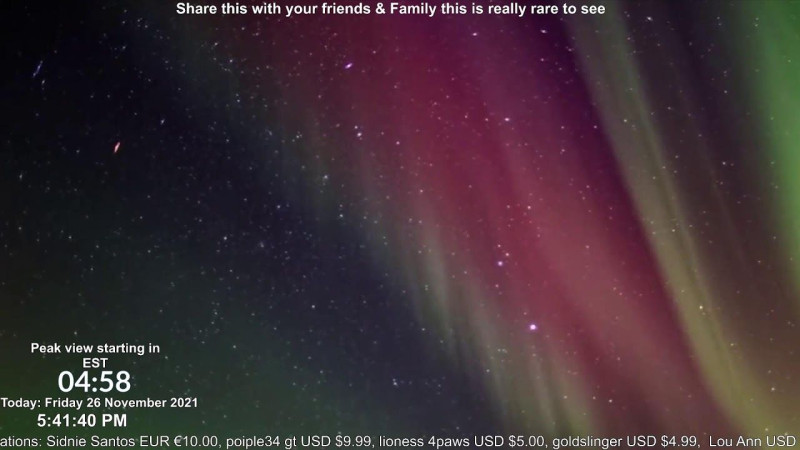
The impending storm, classified as a G3 event, is anticipated to bring enhanced opportunities for viewing the Northern Lights (Aurora Borealis), with the potential for the spectacular light show to be visible as far south as the lower Midwest and Oregon. This phenomenon occurs when charged particles from the Sun interact with Earth's magnetic field, causing a mesmerizing display of lights in the sky.
However, the storm also poses manageable but real risks to satellites, power grids, and radio communications. Forecasters have indicated that the Kp index, a measure of geomagnetic activity, is expected to rise to 7, which correlates with increased chances of witnessing the aurora in lower latitudes.
The NOAA Space Weather Prediction Center has been closely monitoring the solar activity, providing real-time updates and forecasts to help the public and relevant authorities prepare for any potential disruptions. While the storm is expected to bring the Northern Lights further south than usual, it is not anticipated to match the extent of the November event.
The Northern Lights are a breathtaking natural phenomenon that has captivated human imagination for millennia. This event offers a rare opportunity for many to witness the aurora's enchanting display, making it a must-see for skywatchers across the United States.