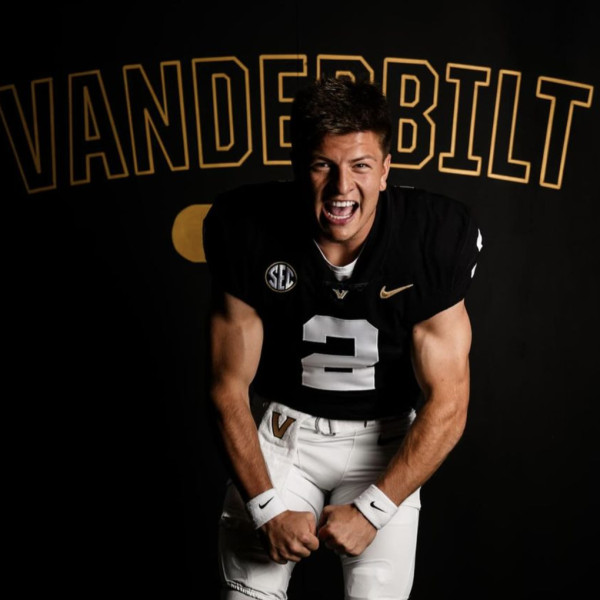
On Saturday, December 14, 2025, the Heisman Trophy ceremony brought both triumph and turmoil to the college football world. While Indiana quarterback Fernando Mendoza rightfully celebrated his victory, Vanderbilt quarterback Diego Pavia found himself in the spotlight for all the wrong reasons. Pavia's reaction to his distant second-place finish sparked a Heisman controversy that has since dominated headlines and social media discussions. The incident not only tarnished Pavia's individual moment but also cast a shadow over Vanderbilt's historic 10-win season, which marked the program's first appearance in New York with a Heisman finalist.
Following Mendoza's victory, Pavia took to social media to express his frustration. In a series of posts, he criticized the Heisman voters and even retweeted comments from Skip Bayless, a prominent sports analyst, who had been vocal about Pavia deserving the award. Pavia's outburst included disparaging remarks about Mendoza's team and the voting process, which quickly drew criticism for being both disrespectful and unprofessional. The quarterback's actions were seen as a misstep in an otherwise commendable season, where he had led Vanderbilt to unprecedented heights. The incident sparked widespread debate among fans, analysts, and even his own teammates, many of whom had to address the backlash and defend the program's reputation.
However, it was not long before Pavia recognized the gravity of his actions. On Sunday, he issued a public apology on X, acknowledging the error in his judgment. In his statement, Pavia expressed regret for his "disrespectful" comments, stating that he had "handled the situation poorly" and that his behavior did not reflect the values of his team or the Vanderbilt community. The apology was met with a mix of relief and understanding from many, who appreciated his willingness to take responsibility for his actions. The incident highlighted the importance of sportsmanship and grace under pressure, qualities that are crucial for athletes at any level.
Skip Bayless, a prominent sports analyst, had been a vocal supporter of Pavia throughout the season. Bayless had consistently argued that Pavia deserved the Heisman Trophy, even after Mendoza's victory. His comments added fuel to the fire, as they were seen by many as influencing Pavia's reaction. Bayless's involvement in the controversy further complicated the narrative, as he continued to advocate for Pavia even after the awards were announced. This situation underscored the complex interplay between media influence and athlete behavior, and the potential impact on public perception.
The aftermath of the incident also brought to light the broader issues within the Heisman voting process. Many fans and analysts questioned the fairness and transparency of the voting system, which has long been a contentious topic in college football. The controversy surrounding Pavia's reaction raised questions about the criteria used to evaluate players and the potential biases that may influence the outcome. This led to calls for reform and greater accountability within the voting process, as well as a renewed focus on the importance of fair and unbiased reporting in sports media.
As the dust settles on this year's Heisman controversy, the focus should shift towards the positive aspects of the season and the achievements of all the players involved. While Pavia's reactions were problematic, they also served as a learning experience for him and the entire Vanderbilt community. The incident has underscored the importance of maintaining composure and respect in the face of adversity, and the need for continued dialogue and reflection on the values of sportsmanship and fairness. Moving forward, it is essential to support the growth and development of athletes, ensuring that they are equipped to handle the pressures and challenges that come with representing their teams and institutions.