In recent news, the term dry needling has gained significant traction, particularly in relation to NFL player T.J. Watt's collapsed lung. But what exactly is dry needling, and how does it relate to this high-profile injury? Let's delve into the details to understand this treatment modality and its implications.
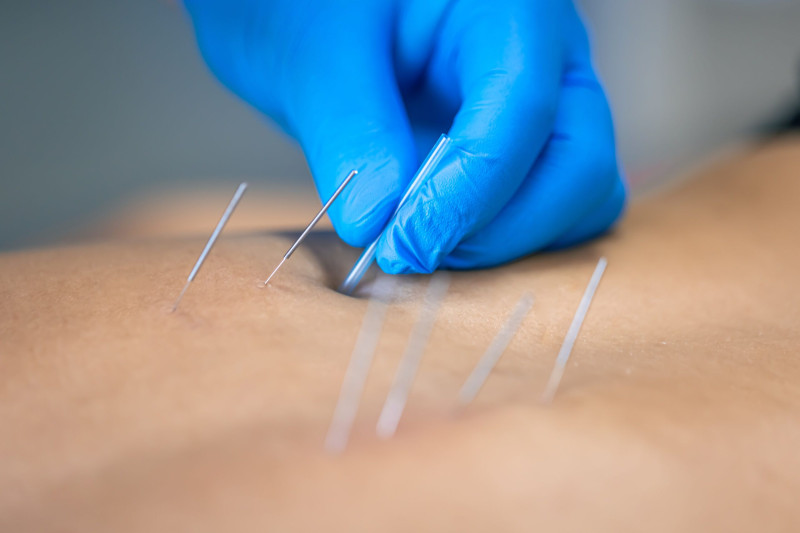
The intrigue surrounding dry needling stems from its unique approach to treating muscle pain and movement issues. Dry needling is a technique used by healthcare providers, including physical therapists, to address myofascial trigger points. These are tight bands of muscle that can cause pain and restrict movement. During a dry needling session, thin needles are inserted into or near these trigger points, stimulating the muscles to contract or twitch. This process helps relieve pain and improve range of motion, making it a popular choice for those seeking relief from chronic muscle pain.
For T.J. Watt, the connection between dry needling and his collapsed lung is a poignant example of how this treatment can sometimes lead to unexpected complications. The injury occurred during a dry needling session, where a needle accidentally punctured his lung, causing it to collapse. This incident has brought the practice of dry needling under scrutiny, particularly in athletic circles where physical therapists often employ it to speed up recovery and enhance performance.
Despite the risks, the benefits of dry needling are widely recognized. It is grounded in modern Western medicine and focuses on dysfunctional muscle tissue. The treatment aims to provoke a twitch response in the muscles, which can help release knots and tension, thereby relieving pain and promoting recovery. In fact, research supports the use of dry needling for various conditions, including back pain, neck pain, and headaches, making it a valuable tool in the arsenal of physical therapists.
Dry needling is often part of a broader pain management plan, used alongside other therapies to address musculoskeletal pain. Common areas treated include the shoulder, rotator cuff, and elbow, making it a versatile option for athletes and non-athletes alike. However, it's important to note that while dry needling is widely practiced, it is illegal in certain states, including California, Hawaii, New York, Oregon, and Washington. This legal disparity highlights the need for further regulation and standardization of the practice.
In summary, dry needling is a potent treatment for muscle pain and movement issues. While it offers numerous benefits, the risk of complications, as seen in T.J. Watt's case, underscores the importance of seeking treatment from skilled professionals. As the practice continues to evolve, it will be crucial for healthcare providers and regulators to address the safety concerns and ensure that patients receive the highest standard of care.

